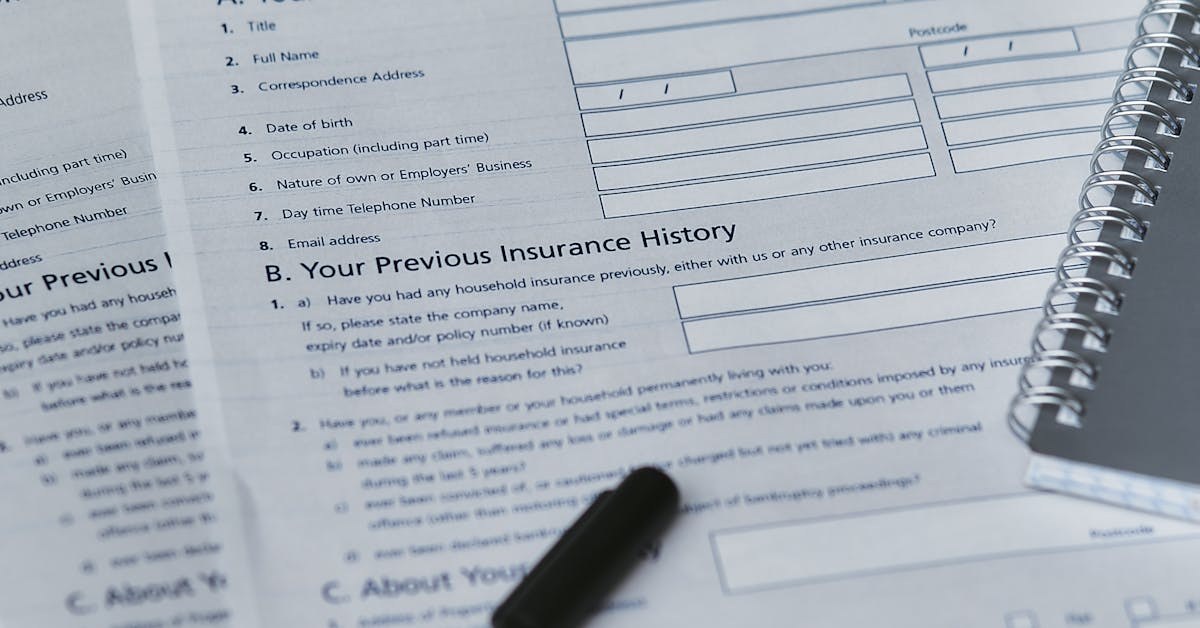
Renters insurance is a policy that protects your personal belongings, covers liability, and pays for temporary housing if your rental becomes uninhabitable. It costs an average of $15 to $30 per month — often less than a streaming subscription. For most renters, it is absolutely worth it.
What Does Renters Insurance Cover?
A standard renters insurance policy has three main parts:
- Personal property coverage: Pays to replace your belongings if they are stolen, damaged by fire, vandalism, water damage from a burst pipe, and other covered events. This includes furniture, electronics, clothing, and appliances you own.
- Liability coverage: Pays legal costs and damages if someone is injured in your apartment or if you accidentally damage someone else’s property. Standard policies include $100,000 to $300,000 in liability coverage.
- Additional living expenses (ALE): Pays for hotel stays, restaurant meals, and other costs if your rental becomes unlivable due to a covered event like a fire.
What Renters Insurance Does Not Cover
- Flood damage (requires separate flood insurance)
- Earthquake damage (separate policy needed)
- Roommate’s belongings (each person needs their own policy)
- High-value items above policy limits (jewelry, art, musical instruments may need a rider)
- Damage you intentionally cause
How Much Does Renters Insurance Cost?
The national average is about $170 per year, or roughly $14 per month. Your exact rate depends on:
- Where you live (urban areas and high-crime zip codes cost more)
- How much personal property coverage you need
- Your deductible amount
- Whether you bundle with auto insurance
- Your claims history
Bundling renters insurance with car insurance from the same company typically saves 5% to 15% on both policies.
Actual Cash Value vs. Replacement Cost Coverage
This is the most important choice you make when buying renters insurance.
- Actual cash value (ACV): Pays what your belongings are worth today, after depreciation. A 5-year-old laptop that cost $1,000 new might be worth $300 in a claim. Cheaper policy, smaller payout.
- Replacement cost coverage (RCV): Pays what it costs to buy a new equivalent item today. The same laptop would pay out $1,000 or whatever a comparable new laptop costs. More expensive policy, much better protection.
Replacement cost coverage is almost always worth the extra few dollars per month.
How Much Coverage Do You Need?
Walk through your apartment and estimate the value of everything you own. Add up electronics, furniture, clothing, kitchen items, and any valuables. Most renters underestimate this number significantly.
A basic apartment with modest furnishings might have $20,000 to $30,000 in personal property. A tech professional with multiple devices might have $40,000 to $60,000.
Most policies start at $15,000 in personal property coverage. Make sure yours matches the actual value of your belongings.
Is Renters Insurance Required?
Renters insurance is not required by law, but many landlords require it as a lease condition. Even if your landlord does not require it, you should strongly consider it. Your landlord’s property insurance covers the building — not your stuff inside it.
How to Buy Renters Insurance
You can get a policy online in about 10 minutes. Start by getting quotes from:
- Your current auto insurer (bundling discount)
- Lemonade (fully digital, often the lowest price)
- State Farm, Allstate, or Nationwide (traditional insurers)
Have your address, an estimate of your belongings’ value, and payment info ready.
Bottom Line
Get Personalized Financial Guidance
Answer a few questions and get personalized recommendations tailored to your situation.
Renters insurance is one of the best financial deals available. For $15 to $30 per month, you protect thousands of dollars in belongings and get liability coverage that could save you from a financially devastating lawsuit. Get replacement cost coverage, set a deductible you can afford, and bundle with your auto policy to save more.